
The Slow Parenting Revolution: Why Less is More in Childhood

Slow parenting embraces simplicity, play, and connection to foster creativity, independence, and a happier childhood.

Play. Learn. Thrive.™ only endorses products we authentically love and use. Some of the product links in this post may be affiliate links. That means that if you click them and make a purchase, this site makes a commission. Play. Learn. Thrive.™ is also an Amazon Associate. As an Amazon Associate, we earn from qualifying purchases. It will have no impact on the price you pay or the experience of your purchase.
Childhood today looks vastly different from what it did just a generation ago. Kids’ schedules are packed with structured activities, enrichment programs, and academic pressure that starts as early as preschool.
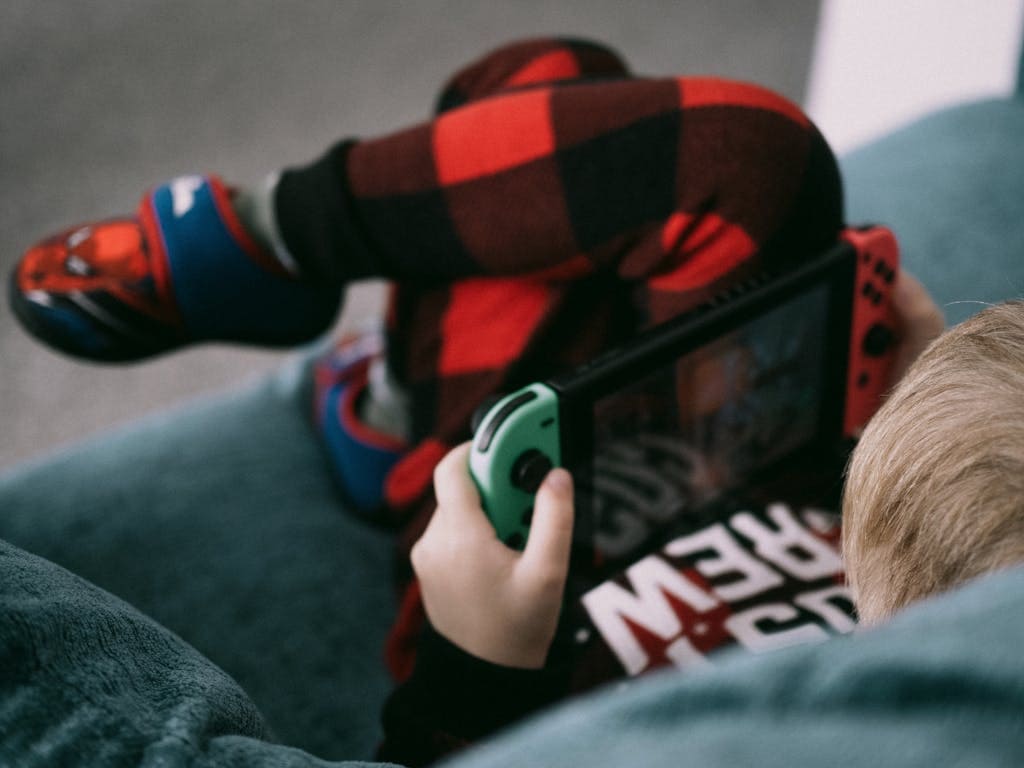
Screen time dominates downtime, replacing unstructured play with digital entertainment. Parents feel constant pressure to “keep up” with societal expectations—whether that’s ensuring their child is ahead academically, involved in multiple extracurriculars, or socially engaged in ways that align with today’s fast-paced world.
But here’s the truth: the modern approach to childhood is broken.
Children are more anxious, less independent, and struggling with basic problem-solving and self-regulation skills. They lack opportunities for boredom, creative exploration, and free play—all critical elements for healthy development. We’re raising kids who are over-scheduled but under-stimulated in the ways that truly matter.
The solution? Slow down.

Before we dive in, here’s a little about me so you know you’re getting advice from someone who’s been in the trenches! I’m Alanna Gallo, a former teacher with a master’s in education who saw firsthand how kids were losing confidence, independence, and their natural love of learning. I left the classroom to help parents raise curious, capable, and screen-conscious kids in a world that doesn’t make it easy. My work has been featured in major media outlets, and I’m here to give you real, research-backed advice—without the guilt trips or unrealistic expectations.

What Is Slow Parenting?
Slow parenting is a movement away from the pressure to constantly entertain, educate, or optimize childhood. It’s about embracing a simpler, more intentional approach—one that prioritizes presence over productivity, unstructured time over planned activities, and deep connection over constant stimulation.
Slow parenting isn’t about doing nothing; it’s about doing less of the things that don’t serve our children’s well-being and more of what does. It means valuing:
- Unstructured play over over-scheduled days.
- Boredom as a gateway to creativity, not something to be avoided.
- Real-world experiences over digital distractions.
- Quality time over quantity of activities.
- Child-led learning instead of rigid academic expectations.
At its core, slow parenting is about trusting childhood itself—allowing kids to develop at their own pace, fostering independence, and creating an environment where curiosity and joy naturally flourish.

Why Less Is More: The Science Behind Slow Parenting
The idea that children thrive with less isn’t just a feel-good philosophy—it’s backed by science. Research consistently shows that simpler childhoods lead to better mental, emotional, and cognitive outcomes.
1. Unstructured Play Builds Critical Thinking and Social Skills
Studies show that free play—where children lead, create, and imagine without adult intervention—is essential for developing executive function skills, problem-solving abilities, and social intelligence. When kids aren’t given ready-made entertainment, they learn to navigate their environment, negotiate with peers, and think creatively.
2. Boredom Sparks Creativity and Innovation
In our rush to prevent boredom, we rob children of one of the greatest drivers of creativity. Neuroscientists have found that when the brain isn’t occupied with structured tasks or digital stimulation, it enters a state of mind-wandering—where the most creative thoughts emerge. When kids are “bored,” their brains are making essential neural connections that lead to deeper thinking and self-motivated exploration.

3. Too Many Toys and Too Much Stimulation Overwhelm Kids
Studies like The Simplicity Parenting Approach show that children who have fewer toys engage in deeper, more imaginative play. Overstimulating environments—whether from excess screen time, cluttered playrooms, or non-stop activities—can lead to stress and attention difficulties. A slower, simpler home environment fosters focus, calm, and deeper engagement.
4. Nature and Outdoor Play Improve Mental Health
Spending time outside has been linked to lower rates of anxiety, depression, and ADHD symptoms in children. A slow childhood prioritizes nature exploration over indoor entertainment, allowing children to engage with the world in a way that soothes their nervous systems and strengthens their connection to the natural world.
Want to Slow Down on Screen Time?
Turning screens off is easy.
Sitting with what comes next is the hard part.
When screens are gone, and everything feels louder.
When your child’s discomfort triggers your guilt.
When your calm starts to crack.
When giving the screen back feels easier than holding the line.
Screens Are Off. Now What? exists for this moment.
How to Embrace Slow Parenting
Slowing down doesn’t mean overhauling your life overnight. It’s about small, intentional shifts that create a more balanced and fulfilling childhood. Here’s how to start:
1. Ditch the Overpacked Schedule
Take a hard look at your child’s schedule. Are they constantly moving from one structured activity to the next? Reduce unnecessary commitments and build in more unscheduled time. Let them just be.
2. Prioritize Unstructured Play
Make free play a non-negotiable part of your child’s day. Whether it’s open-ended toys, playing outside, or simply allowing them to use their imagination, prioritize play over passive consumption.
3. Allow for Boredom
Resist the urge to entertain your child every moment of the day. Boredom isn’t a problem—it’s an opportunity. Let them sit with it. You’ll be amazed at what they come up with when left to their own devices.
4. Reduce Screen Time
Screens have become the go-to boredom solution, but they rob kids of crucial real-world experiences. Create screen-free zones in your home, encourage more hands-on activities, and model mindful tech use yourself.
5. Simplify Their Environment
Fewer toys, fewer distractions, fewer unnecessary commitments. A clutter-free, simple home creates a sense of calm and allows children to focus on meaningful activities rather than jumping from one thing to the next.
6. Spend More Time in Nature
Make outdoor time a daily ritual. Let kids climb trees, dig in the dirt, or explore freely. Nature slows them down and fosters a sense of wonder, creativity, and resilience.

7. Focus on Connection Over Achievement
In a world that pressures kids to achieve at every turn, slow parenting reminds us that relationships matter most. Make space for simple, meaningful moments—reading together, cooking as a family, or sharing an unhurried conversation.
The Long-Term Impact of Slow Parenting
When we embrace slow parenting, we’re not just making life easier in the moment—we’re setting our children up for long-term success. Kids raised with a slow, intentional childhood are more independent, resilient, and emotionally secure. They develop a strong sense of self because they aren’t constantly being told what to do, how to think, or how to fill their time.
Slow parenting also fosters a lifelong love of learning. When children are given space to follow their interests, ask questions, and explore the world at their own pace, they develop intrinsic motivation—something far more powerful than external rewards or structured achievement.
And perhaps most importantly, slow parenting strengthens family bonds. When life isn’t dictated by packed schedules and external pressures, there’s more time for deep connection, shared experiences, and the kind of childhood memories that truly matter.

A Call to Action: Choose a Slower Childhood
The slow parenting revolution isn’t about rejecting modern life—it’s about reclaiming childhood from a culture that pushes more, faster, and better at every turn. It’s a shift toward trust, simplicity, and presence. It’s a reminder that less isn’t just more—it’s essential.
So, let’s resist the pressure to over-schedule, over-stimulate, and over-manage our children’s lives. Let’s give them back their time, their play, their creativity, and their childhood.

Let’s slow down—because childhood is too short to rush.
If you enjoyed this article about slow parenting, then you should also check out:
Why Boredom is GOOD for your child & How to Let it Happen
The Power of a Growth Mindset For Kids
Raising Emotionally Intelligent Kids: Why Social and Emotional Intelligence Matter More Than Ever
Inspired by this post? Be sure to subscribe download my free Screen-Free Starter Kit! For more insights and resources on raising confident, lifelong learners, be sure to follow me on Instagram – can't wait for you to join me!