Skip to content
  • Home
  • About
  • Screen Reset
  • BlogExpand
    • Play
    • Learn
    • Thrive
  • Shop
Instagram Pinterest YouTube Facebook Twitter TikTok RSS Facebook Group
logo

independent play

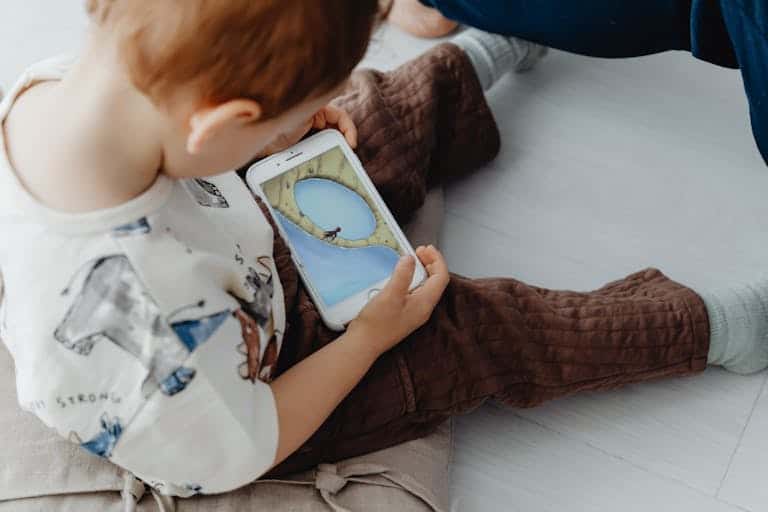
A young child playing an educational game on a smartphone indoors, focused on learning.
Elementary (5-11 Years Old) | Infants (0-12 Months) | Play | Pre-School (3-4 Years Old) | Toddler (13-24 Months)

How Screen Time Undermines Independent Play—and Why It Matters for Your Child’s Development

Why Boredom is GOOD for Your Child & How to Let it Happen
Learn | Child Development

Why Boredom is GOOD for Your Child & How to Let it Happen

How to Get a Toddler to Play Independently (Without Tears or Guilt)
Play

How to Get a Toddler to Play Independently (Without Tears or Guilt)

How to encourage/promote independent play in 5 Simple Steps
Play

How to encourage/promote independent play in 5 Simple Steps

Together we’ll slow down, stop rushing our kids through life and raise lifelong learners who will become confident and independent adults. 

Instagram Pinterest YouTube Facebook Twitter

thealannagallo

Helping you rethink school, screens + modern childhood
Former teacher (M.Ed) → secular homeschooler
Join a community of parents rethinking childhood ↓

The longer I parent, the more convinced I become t The longer I parent, the more convinced I become that some of the most important education conversations have very little to do with homeschooling...They’re conversations about play.
About screens.
About deep reading.
About childhood itself.You can love your child’s teacher and still question excessive testing.You can appreciate your school and still want more recess, less screen time, or a different vision of learning.Questioning a system doesn’t require rejecting it.
It starts with paying attention to what children actually need to thrive.Comment AGSUB and I’ll send you the link to the full essay 🙌🏻
One of the things I love most about libraries is t One of the things I love most about libraries is that they exist for EVERYONE.Not everyone will see themselves in every book. Not every story will reflect every family’s experience. That’s okay.The purpose of a library isn’t to tell us what to think. It’s to give us access to ideas, perspectives, histories, and experiences beyond our own.I want my children to grow into curious, critical thinkers who can engage with a diverse world. Libraries help make that possible.“The libraries are for all” sign is a reminder of what public libraries have always been: places where everyone belongs and everyone can find a story.@mychal3ts
A decade in the classroom taught me a lot.Not ju A decade in the classroom taught me a lot.Not just about how kids learn, but about what they actually need to thrive.More screens didn't make kids more engaged.
More technology didn't automatically improve learning.
And good grades didn't always mean a child was happy, confident, curious, or prepared for life.That's a big part of why we homeschool the way we do.We prioritize connection over convenience, curiosity over compliance, and real-world experiences over endless digital ones.You don't have to homeschool to question the messages modern parenting and education keep sending us.What's one thing you'll never hear you say as a parent? 👇
My kids won’t feel threatened by people who are di My kids won’t feel threatened by people who are different from them ✌🏻 Happy PRIDE 🌈
If you're a homeschooler breaking all the stereoty If you're a homeschooler breaking all the stereotypes, welcome!
Every time I talk about the peers my kids spend ti Every time I talk about the peers my kids spend time with, the media they consume, the books they read, or the values they’re surrounded by, someone says, “It’s not that serious.”I disagree.And it’s definitely not because I’m afraid of different people, perspectives, or ideas. Quite the opposite.I want my kids exposed to people from different cultures, backgrounds, religions, family structures, and life experiences.I want them reading widely, asking hard questions, and learning how to think critically.What I care about is the environment they’re growing up in.The habits they practice. The messages they absorb. The pressure they face. The content competing for their attention. The values being normalized every day.Childhood shapes adulthood.So yes, I think it’s that serious.
Follow on Instagram

Explore

  • Blog
  • About
  • Contact
  • Podcast

Copyright © 2026 · Play. Learn. Thrive. · Hearten Made

Scroll to top
  • Home
  • About
  • Screen Reset
  • Blog
    • Play
    • Learn
    • Thrive
  • Shop
We use cookies to ensure that we give you the best experience on our website. If you continue to use this site we will assume that you are happy with it.