The Power of a Growth Mindset For Kids
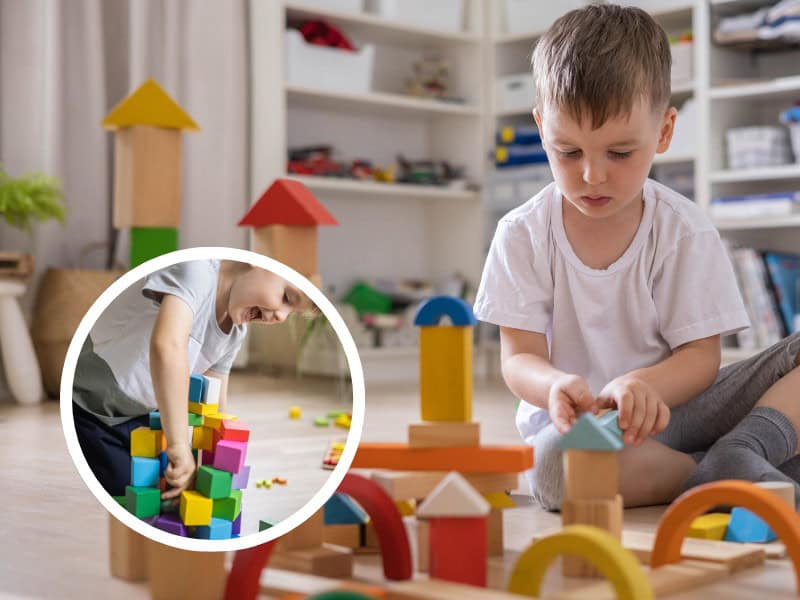
Imagine your child attempting to build a tower of blocks. The first time, it topples over. The second time, the structure leans precariously before crashing down. The third time, they hesitate—frustration flickering across their face. Do they quit, convinced they’ll never succeed? Or do they take a deep breath, assess what went wrong, and try again?
Play. Learn. Thrive.™ only endorses products we authentically love and use. Some of the product links in this post may be affiliate links. That means that if you click them and make a purchase, this site makes a commission. Play. Learn. Thrive.™ is also an Amazon Associate. As an Amazon Associate, we earn from qualifying purchases. It will have no impact on the price you pay or the experience of your purchase.
The answer lies in their mindset.
For those of you who don't know me, I’m Alanna Gallo, a former teacher with a master’s in education who saw firsthand how kids were losing confidence, independence, and their natural love of learning.

I left the classroom to help parents raise curious, capable, and screen-conscious kids in a world that doesn’t make it easy. My work has been featured in major media outlets, and I’m here to give you real, research-backed advice—without the guilt trips or unrealistic expectations.
Today, we are going to take a deep dive on the power of a growth mindset for kids.
Fixed Mindset vs. Growth Mindset
Dr. Carol Dweck’s groundbreaking research on mindset reveals that how children perceive their abilities determines how they approach challenges.
- A fixed mindset tells kids their intelligence, talents, and abilities are static. They believe they’re either “good at math” or “bad at math,” and there’s no room for change. Struggle is seen as proof they’re not capable, leading them to avoid challenges altogether.
- A growth mindset teaches kids that abilities can develop through effort, practice, and resilience. Mistakes aren’t failures but stepping stones toward learning.
If we want to raise kids who love learning, bounce back from setbacks, and approach the world with curiosity and confidence, fostering a growth mindset is key.

Why Growth Mindset is a Game Changer for Learning
Children with a growth mindset:
✔ Embrace challenges instead of avoiding them.
✔ View mistakes as opportunities to learn.
✔ Develop resilience, persistence, and adaptability—skills essential for lifelong success.
✔ Feel more confident in their ability to figure things out.
This shift in thinking doesn’t just affect academic performance; it shapes how kids approach friendships, creative endeavors, and even emotional struggles.
So, how do we cultivate this mindset at home?
5 Ways to Foster a Growth Mindset for Kids
1. Allow for Productive Struggle
As parents, it’s instinctive to step in when our child struggles. But when we “save” them too soon, we rob them of the chance to problem-solve.
Instead, create moments where they have to puzzle things out. If they say, “I don’t know how,” reframe it with:
💡 “You don’t know how… yet. What’s one step you can try?”
When children see struggle as part of the learning process, they develop perseverance and confidence in their ability to figure things out.
2. Encourage Persistence (and Redefine Success)
Not everything comes easily. That’s a good thing.
Instead of praising results (“Wow, you’re so smart!”), praise effort (“I love how you kept trying even when it was tough”).
This subtle shift teaches kids that success isn’t about innate talent—it’s about effort and resilience.
If your child is frustrated, remind them:
✔ It’s okay to take a break and return to the challenge later.
✔ It’s okay to feel stuck—but giving up isn’t the only option.
✔ The process matters more than the outcome.
3. Eliminate “I Can’t Do This” From Their Vocabulary
When a child says, “I can’t do this,” it’s often frustration speaking—not a true reflection of their abilities.
Instead of letting that phrase end the conversation, guide them toward a more productive mindset:
❌ “I can’t do this.”
✅ “I don’t know how yet, but I can figure it out.”
By shifting their internal dialogue, kids learn that ability isn’t fixed—it’s something they can build.

4. Teach Kids That the Brain is Like a Muscle
One of the most powerful messages we can give kids is that their brain grows stronger with effort.
When children understand that struggling through a math problem or learning a new skill actually rewires their brain, they’re more likely to embrace challenges.

Use simple explanations:
💭 “Every time you try something hard, your brain makes new connections—like muscles getting stronger when you exercise.”
This shifts their perspective from “I’m just not good at this” to “I can get better with practice.”
Ready to Cut Back on Screen Time?

Our free Screen-Free Starter Kit gives you gentle, research-backed strategies to reduce screen time and reconnect with your child—without guilt, tears, or power struggles.
✨ Create a calmer, more connected home—starting today.
5. Help Kids Cultivate a Positive Learning Mindset
A child’s outlook shapes their motivation. If they see mistakes as failures, they’ll avoid challenges. But if they see mistakes as learning opportunities, they’ll keep pushing forward.
Here’s how to foster a positive learning mindset:
✔ Celebrate mistakes. Instead of saying, “That’s wrong,” say, “Great! Now we know what doesn’t work—what’s another way to try?”
✔ Encourage healthy risk-taking. Trying new things—even if they’re hard—builds confidence.
✔ Model resilience. Share your own struggles and how you overcame them. Kids learn from watching how we handle challenges.
Growth Mindset and the “I’m Not a Math Person” Myth
Math is one of the most common areas where kids (and adults) develop a fixed mindset. How often do we hear, “I’m just not a math person”?
But research shows that struggle in math actually strengthens the brain. When kids make mistakes, their neurons fire—meaning their brain is growing.

To help kids embrace a growth mindset in math:
Normalize mistakes as part of the learning process.
Praise effort, not speed (“You worked hard on that problem!”).
Remove pressure—math is about thinking, not just getting the right answer quickly.
When kids see math as something they can improve at, rather than something they’re “good” or “bad” at, their confidence and skills soar.
Does your child struggle with math?

Unlike any other math program out there. A super human AI tutor that your kids will LOVE.
Does your child feel frustrated or overwhelmed by math? The Synthesis Math Tutor will help them break through those challenges and discover the fun and confidence that comes with mastering math.
At Synthesis, they don’t just teach math—they empower kids to think critically, solve problems creatively, and build lasting confidence. The AI tutors works 1:1 with your child, meeting them where they are and guiding them step-by-step through their unique learning journey.
The Long-Term Impact of a Growth Mindset
Cultivating a growth mindset isn’t just about helping kids succeed in school—it’s about equipping them with a mindset for life.
🚀 They’ll take on challenges instead of avoiding them.
🚀 They’ll bounce back from setbacks instead of shutting down.
🚀 They’ll be resilient, confident learners who love to figure things out.
And as parents, isn’t that what we ultimately want?
Final Thought: Your Role as a Growth Mindset Guide
Your child is watching you.
When they see you struggle with something and persist, they learn that effort leads to growth. When they hear you reframe mistakes as learning experiences, they internalize that mindset.
So the next time your child says, “I can’t do this,” remind them:
“You can’t do it… yet. But you will.”
Because the ability to grow, learn, and thrive? That’s a gift that lasts a lifetime.
Inspired by this post? Be sure to subscribe download my free Screen-Free Starter Kit! For more insights and resources on raising confident, lifelong learners, be sure to follow me on Instagram – can't wait for you to join me!