Skip to content
  • Home
  • About
  • Screen Reset
  • BlogExpand
    • Play
    • Learn
    • Thrive
  • Shop
Instagram Pinterest YouTube Facebook Twitter TikTok RSS Facebook Group
logo
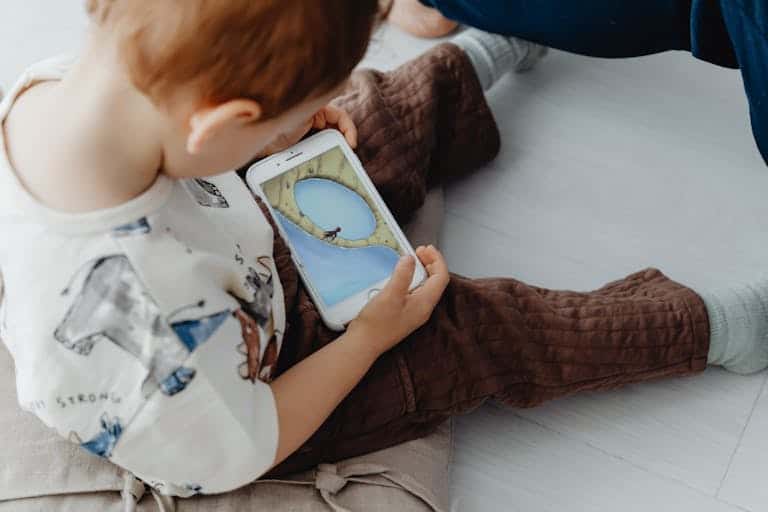
A young child playing an educational game on a smartphone indoors, focused on learning.
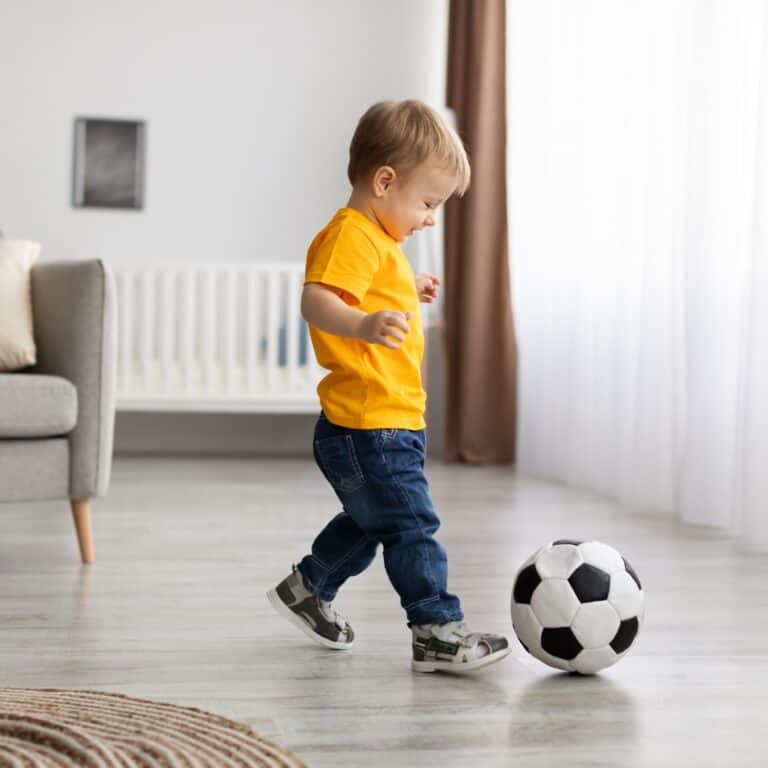
Elementary (5-11 Years Old) | Infants (0-12 Months) | Play | Pre-School (3-4 Years Old) | Toddler (13-24 Months)

How Screen Time Undermines Independent Play—and Why It Matters for Your Child’s Development

Worldschooling 101: How to Give Your Child a Global Education
Alternative Education | Learn | Raising Confident Kids | Social & Emotional Development | Thrive

Worldschooling 101: How to Give Your Child a Global Education

Raising Emotionally Intelligent Kids: Why Social and Emotional Intelligence Matter More Than Ever
Fostering Life Skills | Raising Confident Kids | Thrive

Raising Emotionally Intelligent Kids: Why Social and Emotional Intelligence Matter More Than Ever

The Rise of Childhood Anxiety: Why Kids Are Struggling and How We Can Help
Parenting | Play

The Rise of Childhood Anxiety: Why Kids Are Struggling and How We Can Help

The Best Summer Math Programs for Middle School Students
Alternative Education | Learn

The Best Summer Math Programs for Middle School Students

The EdTech Illusion: How Screens in Schools Are Harming Our Kids (And What Parents Can Do)
Alternative Education | Child Development | Learn

The EdTech Illusion: How Screens in Schools Are Harming Our Kids (And What Parents Can Do)

Reggio Emilia, Montessori, or Waldorf: Which Educational Approach is Right for Your Child?
Alternative Education | Child Development | Learn

Reggio Emilia, Montessori, or Waldorf: Which Educational Approach is Right for Your Child?

The Power of a Growth Mindset For Kids
Learn | Child Development

The Power of a Growth Mindset For Kids

Montessori Parenting: A Guide to Raising Confident, Independent, and Curious Kids
Child Development | Learn

Montessori Parenting: A Guide to Raising Confident, Independent, and Curious Kids

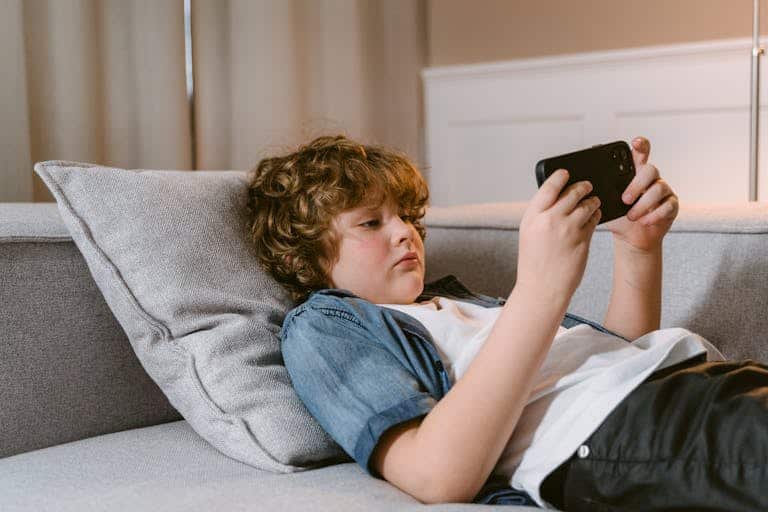
Young boy relaxing on a sofa, using a smartphone, indoors.
Learn | Raising Confident Kids

When to introduce your child to a smartphone or tablet?

Page navigation

Previous PagePrevious 1 2 3 4 … 17 Next PageNext

Together we’ll slow down, stop rushing our kids through life and raise lifelong learners who will become confident and independent adults. 

Instagram Pinterest YouTube Facebook Twitter

thealannagallo

📖 Former teacher (M.Ed.)
🌍 Secular homeschool + worldschool
🧠 Raising uninfluenceable global citizens
🚫 Rethinking screens & school
⬇️ Uninfluenceable

I said what I said. And I wrote a longer essay ove I said what I said. And I wrote a longer essay over on Substack about this.Comment AGSUB for the link to read the essay.Comment GET IT for the link to my book Uninfluenceable that will help you raise kids who can’t be influenced by the algorithm.
Comment AGSUB if you want to read more essays like Comment AGSUB if you want to read more essays like this and learn how to raise kids who can think critically in a world full of influence.We often talk about media literacy like it’s a lesson kids get later, in school, when they’re older.But it actually starts much earlier.It starts with a child who can pause instead of reacting.
Who can tolerate boredom without needing constant stimulation.
Who is comfortable questioning what they see instead of immediately absorbing it.Because the reality is this:
media doesn’t just entertain kids. It trains them.It trains their attention.
It trains their emotions.
It trains what they believe is normal.And if we want children who won’t fall for every trend, every message, every algorithmic push, we have to give them the off-screen skills first.The ability to focus.
To reflect.
To question.
To think independently.Comment AGSUB if you want to keep exploring how to raise kids who can navigate media without being shaped by it.
Comment AGSUB if you want to read more essays like Comment AGSUB if you want to read more essays like this and learn how to raise children who truly think for themselves.If we want kids to think independently, we have to start by changing what we reward at home.It looks like slowing down when they ask “why” instead of rushing to give the “right” answer.
It looks like tolerating disagreement without taking it as disrespect.
It looks like valuing curiosity more than quick compliance.Critical thinking isn’t built through lectures.
It’s built through everyday moments where children feel safe to question, explore, and think out loud.Because kids don’t learn to think freely in environments where they’re only praised for getting things “right.”
They learn it where wondering, doubting, and even pushing back are treated as part of growing.Comment AGSUB if you want to keep exploring how to create that kind of space at home.
Instagram post 18100066873916538 Instagram post 18100066873916538
We talk about media literacy like it starts in mid We talk about media literacy like it starts in middle school with lessons about ads and fake news.But it starts way earlier than that.It starts with a child who can sit in boredom long enough to think.
Who can focus on one thing without needing constant stimulation.
Who can feel an emotion without immediately escaping it.Because the internet doesn’t reward critical thinking.
It rewards speed, reaction, and impulse.If kids grow up only practicing scrolling, consuming, and reacting,
they don’t magically become thoughtful, discerning teens online.They become easier to persuade.
Easier to sell to.
Easier to influence.This isn’t about fear.
It’s about preparation.
Reading builds more than vocabulary. It builds imm Reading builds more than vocabulary.
It builds immunity to nonsense.We’ve been taught to think literacy is academic.
Grades. Benchmarks. Lexile levels. Test scores.But real reading... the slow, focused, deep kind... does something much bigger.It teaches kids to sit with ideas.
To notice when something doesn’t add up.
To ask questions instead of just absorbing whatever they’re handed.And in a world run by headlines, algorithms, influencers, and outrage cycles… that skill is protective.Because kids who can think critically are harder to manipulate.
Harder to scare.
Harder to sell lies to.That’s not just “doing well in school.”
That’s raising a child with an internal compass.
Follow on Instagram

Explore

  • Blog
  • About
  • Contact
  • Podcast

Copyright © 2026 · Play. Learn. Thrive. · Hearten Made

Scroll to top
  • Home
  • About
  • Screen Reset
  • Blog
    • Play
    • Learn
    • Thrive
  • Shop
We use cookies to ensure that we give you the best experience on our website. If you continue to use this site we will assume that you are happy with it.